
The best 3D printers for work and home are the wave of the future, and it is already here. 3D printers are no longer a science fiction concept. If you own a company that might profit from one or just have a lot of money and want a new gadget to play with, you’ll be glad to hear that they’re more affordable than ever.
There’s never been a great time to get one of the best 3D printers, considering the present and future advantages they bring to the table. You may use them to manufacture whole items, replace parts, or just make stuff for your home, workplace, or workshop. And, since 3D printing technology is accessible to almost all, you don’t have to use one to your benefit.
Here are the best 3D printers to remember, whether you’re just getting started or a seasoned pro. Our picks range in scale, features, and use case, so no matter what you’re searching for, you’ll find it here. Keep in mind that the more costly options are ideally suited for experts, while the best cheap 3D printers are suitable for those who are just getting started.
1. CEL-UK RoboxPro
Best 3D printer for commercial printing
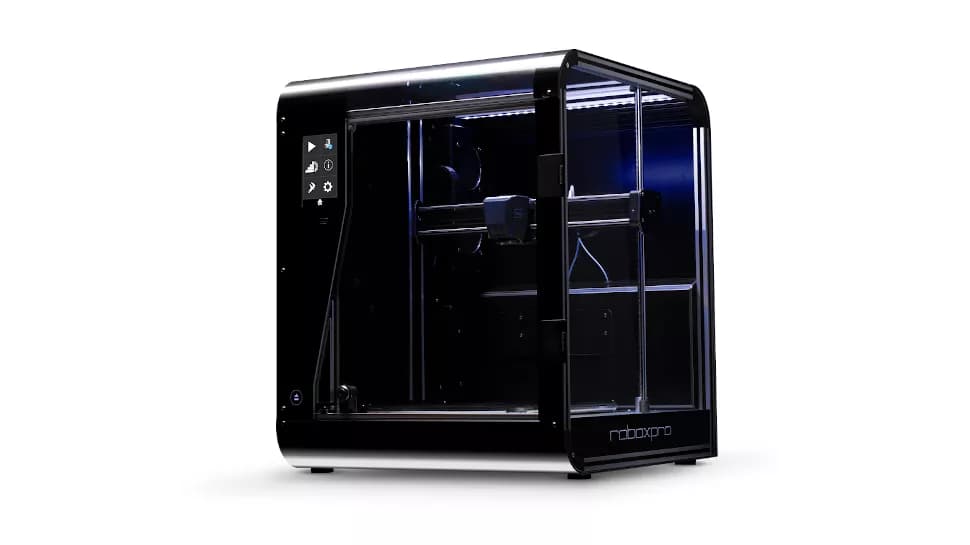
The initial Robox printers introduced many new features to the field of FDM 3D printers, and CEL-UK is a pioneer in 3D Printer creativity. The RoboxPro is a large-scale Robox with a feature set that reads like a 3D print wish list, including auto filament loading, auto bed leveling, Wi-Fi, network printing, and swappable tool heads. The machine’s main emphasis is on accuracy and dependability, and it’s built for.
The machine’s key priority is accuracy and usability, and it’s optimized for everyone looking for a printer that will help them realize their product ideas and get them to market. It’s suitable for commercial and educational use because of its enclosed nature.
SPECIFICATIONS
Print technology: Fused Deposition Modeling
Filament Diameter: 1.75mm
Build Area: 210 x 300 x 400mm
Minimum layer resolution: 50 microns
Maximum layer resolution: 500 microns
Dimensions: 513x508x605mm
Weight: 26kg
Advantages:
- Changeable printer heads
- Network ready
Disadvantages
- The CEL-UK is a large-scale printer therefore it needs a lot of room.
2. Ultimaker S3
The best 3D printer for college education
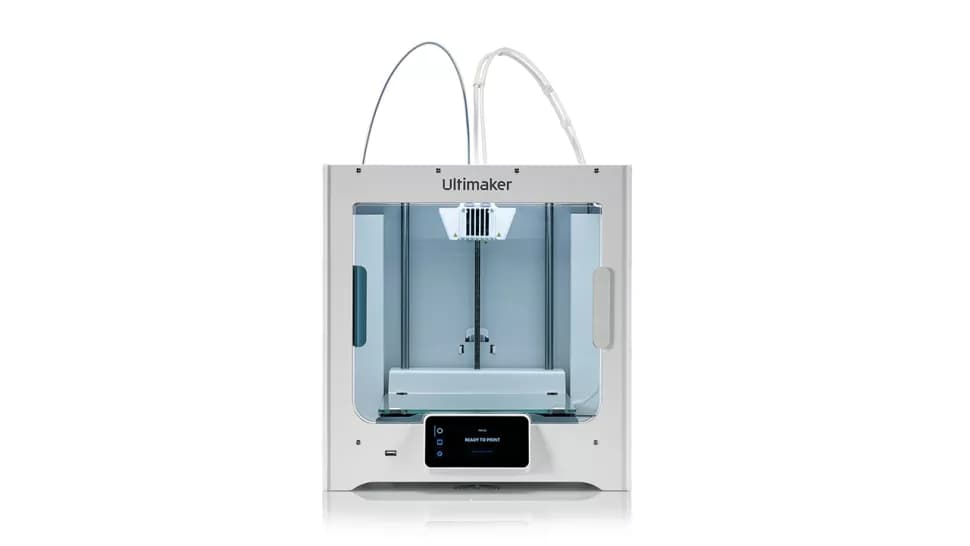
Since the technology became popular, Ultimaker has become one of the most sought-after 3D printer manufacturers. The Ultimaker S3 is a next-generation printer that prioritizes power, consistency, and dependability. Though the machine bears a passing resemblance to Ultimaker’s open-source roots in appearance, it is groundbreaking in terms of accessibility and market integration.
The S3 is targeted at both the educational and industrial markets, and it comes with a wide range of accessories and products to suit the needs of every designer. The swappable cartridge hotends, market-leading touchscreen UI, and Cura slicer tech are all standout products.
SPECIFICATIONS
Print technology: Fused Deposition Modeling
Filament Diameter: 2.85mm
Build area: 230 x 190 x 200mm
Minimum layer resolution: 20 microns
Maximum layer resolution: 600 microns
Dimensions: 394 x 489 x 637mm
Weight: 14.4kg
Advantages
- Class-leading & superior quality of printing
- User friendly & easy to network
Disadvantages
- Classified as expensive
3. FormLabs Form 3
The best SLA Printer
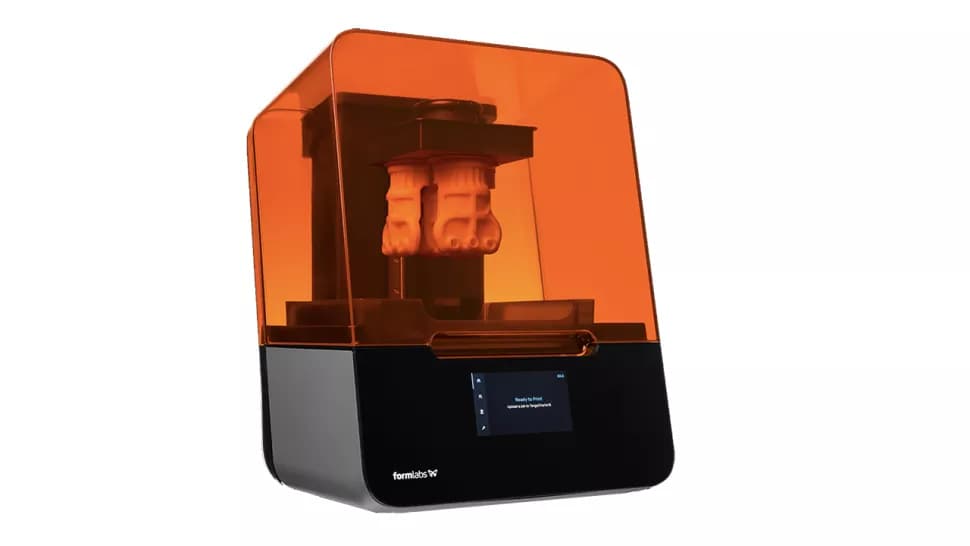
FormLabs specializes in resin-based SLA 3D printers and has played a key role in the development of the technology. The Form 3 is their smallest unit, but it has a broad appeal thanks to its use of a high-precision laser that produces print output that far exceeds that of FDM printers.
Since a liquid resin rather than a solid filament is used in all SLA printers, more time is required in the preparing and finishing of prints, which would not suit all users.
The Form 3 is one of the most powerful 3D printers on the market thanks to its wide range of materials and technologies. High-quality designs, jewelry, casting, and manufacturing are all possible with this material.
SPECIFICATIONS
Print technology: Stereolithography
Resin type: Multiple
Build area: 145 × 145 × 185 mm
Minimum layer resolution: 25 microns
Maximum layer resolution: 300 microns
Dimensions: 405 × 375 × 530 mm
Weight: 17.5kg
Advantages:
- High-quality printing
- Wide material support
Disadvantages:
- SLA prints do require cleaning
4. Original PRUSA SL1
The best MSLA Printer
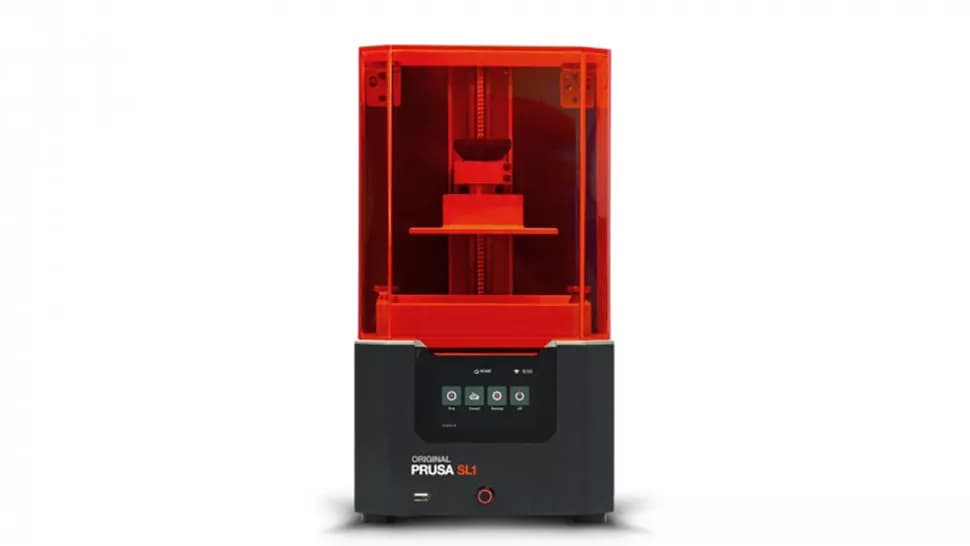
The SL1 seems to be poised to do the same for SLA printers as Prusa Research does for FDM 3D printers. The printer uses Stereolithography technology, but it’s a slightly modified version known as MSLA. This exposes the resin with an LCD which UV LED and is much less expensive than Form 3’s high-precision lasers.
Although the component parts are less expensive, the results are outstanding, and the SL1 looks poised to be a game-changer in the SLA market, thanks to help from the excellent PrusaSlicer program and a large open source community.
SPECIFICATIONS
Print technology: Stereolithography
Resin type: 405nm
Build area: 120 x 68 x 150mm
Minimum layer resolution: 25 microns
Maximum layer resolution: 100 microns
Dimensions: 400 × 237 × 225 mm
Advantages
- High-quality printing
- Wide material support
Disadvantages
- SLA prints require cleaning
5. TRILAB DeltiQ 2
The best Delta 3D printer
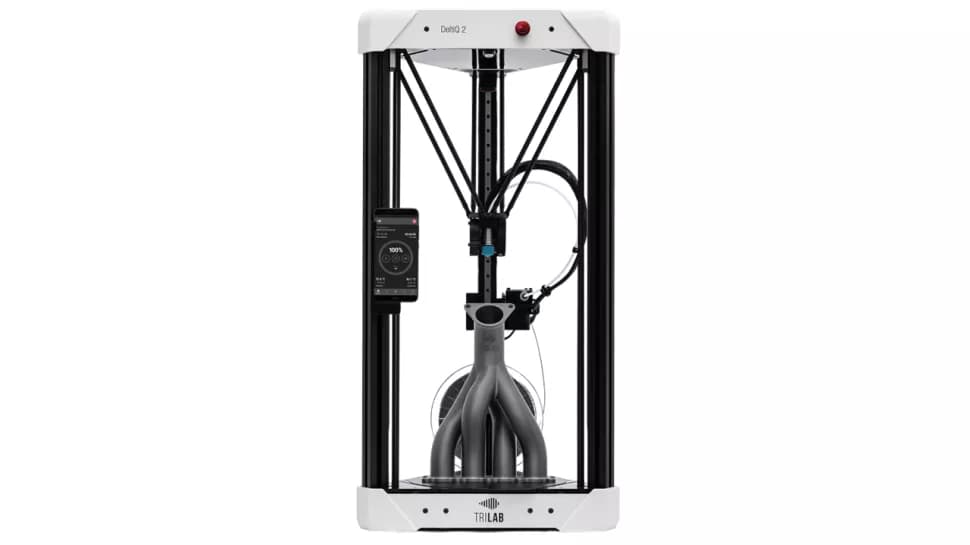
The printhead is suspended from three entirely extended bodies, which distinguishes Delta 3D printers from normal cartesian 3D printers. The technique allows computers to have a much smaller footprint, because since the basis is static, complicated models can be printed with fewer support content.
The E3D hotend, Duet 2 Wifi control board, handheld control and gui, and, of course, excellent print quality are all features of the DeltiQ 2.
SPECIFICATIONS
Print technology: Fused Deposition Modeling
Filament Diameter: 1.75
Build area: 250 x 250 x 300mm
Minimum layer resolution: 50 microns
Maximum layer resolution: Dependent on nozzle
Dimensions: 410 × 500 × 810 mm
Weight: 10kg
Advantages
- Cutting edge technology
- Versatile and expandable
Disadvantages
- Quite Complex
6. Raise3D E2
The best workhorse 3D printer
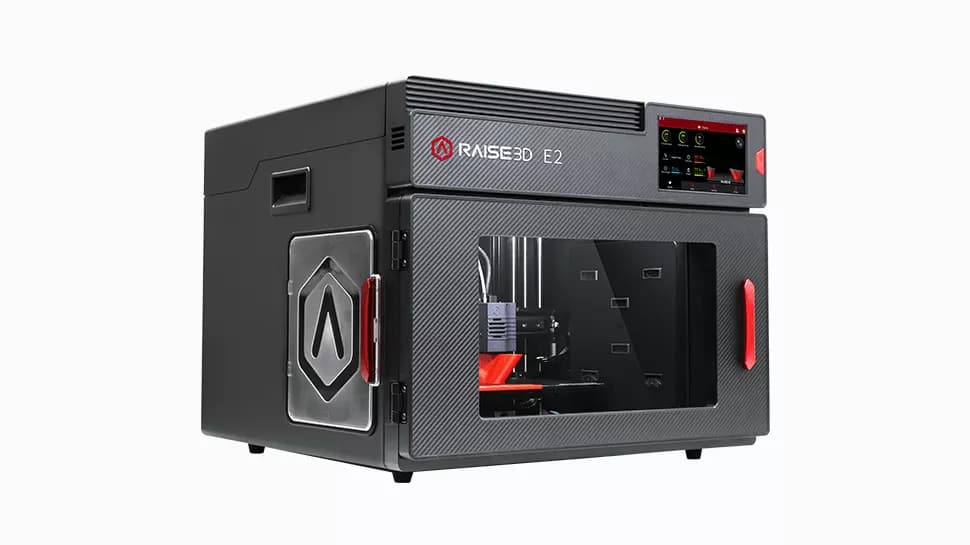
3D printing has matured, and devices such as the Raise3D E2 add high-end FFF printing to the home, classroom, and workplace. With slick market and network convergence, this dual extrusion printer competes with the RoboxPro and can meet most businesses’ design and production needs.
A quick interface and near-perfect reliability would help home and educational consumers. The scale and weight of this unit are its only flaws.
SPECIFICATIONS
Print technology: Fused Deposition Modeling
Build area: 330 x 240 x 240mm
Minimum layer resolution: 20 microns
Maximum layer resolution: 250 microns
Dimensions: 607 x 596 x 465mm
Advantages
- High resolution
- Touch screen interface
Disadvantages
- Big and heavy
- Hard to move
7. CEL-UK RoboxDual
Best 3D printer for schools and business
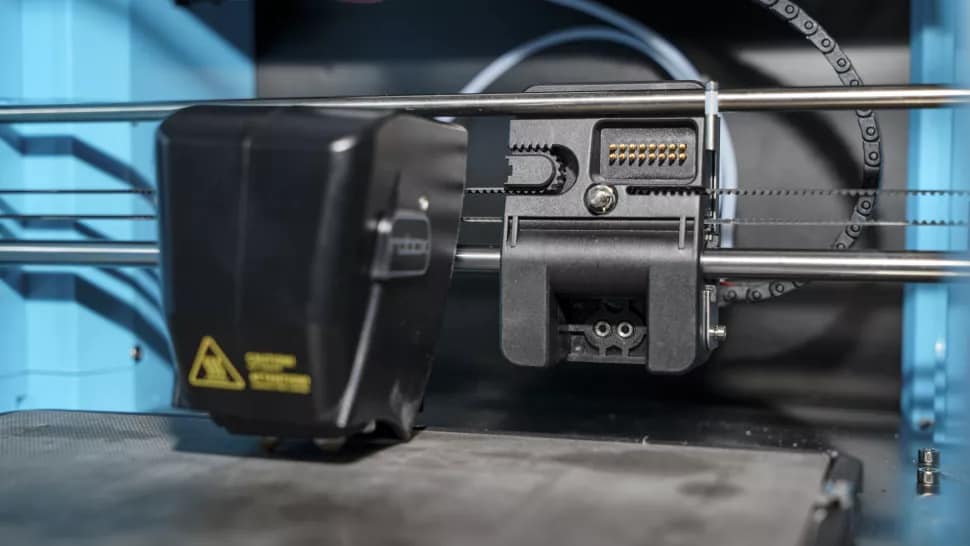
CEL-UK is one of the few manufacturers that has paid as much attention to the 3D printing journey as it has. From the AutoMaker app, which allows you to plan and track prints, to the printer’s unique features and accessories, iterative design and development are made easier.
The RoboxDual was created to conform to every user’s skill level. It is suitable for use in schools because of the SmartReel, Headlocks swappable tool heads, auto filament loading, and bed leveling. It’s also suitable for product design companies and developers working on a large scale, thanks to the network allowing Root or Mote.
SPECIFICATIONS
Print technology: Fused deposition modeling
Build area: 210 x 150 x 100mm
Minimum layer resolution: 50 microns
Maximum layer resolution: 500 microns
Dimensions: 410 x 340 x 240mm
Advantages
- User friendly
- Reliable
Disadvantages
- Advanced features require proprietary filament
8. LulzBot Mini 2
Another great 3D printer for beginners
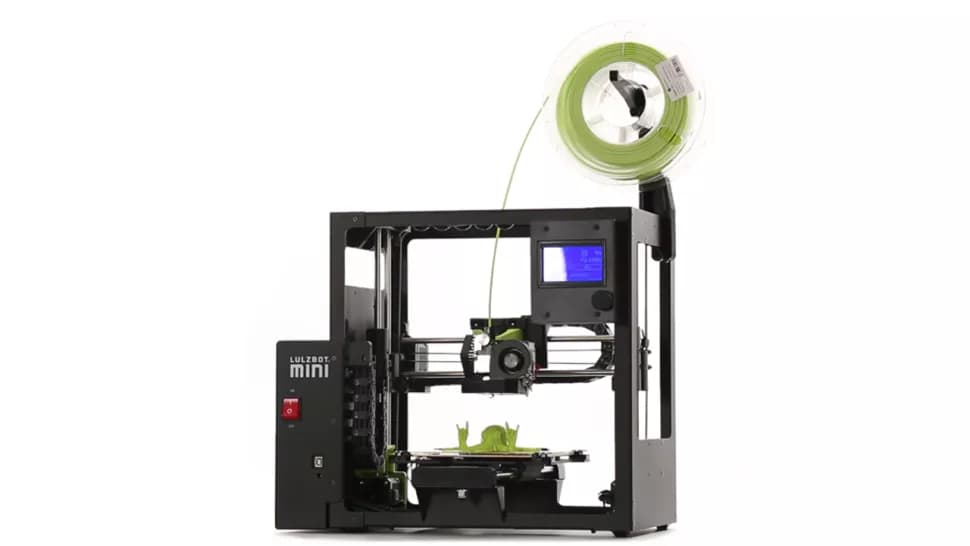
The LulzBot Mini 2 is another great pick if you’re looking for a first 3D printer to learn the ropes with. It’s reasonably priced and simple to use, with version 2 enhancing print speed and noise reduction. Because the hardware is open-source, it provides more functionality than proprietary hardware because a dedicated group of makers may collaborate to build add-ons.
SPECIFICATIONS
Print technology: Fused deposition modeling
Build area: 160 x 160 x 180mm
Minimum layer resolution: 50 microns
Maximum layer resolution: 400 microns
Dimensions: 457 mm x 339 mm x 607 mm
Weight: 9kg
Advantages
- Very easy to use
- Open-source
Disadvantages
- Open frame design
9. Snapmaker 2.0 A350
Best 3-in-1 3D printer
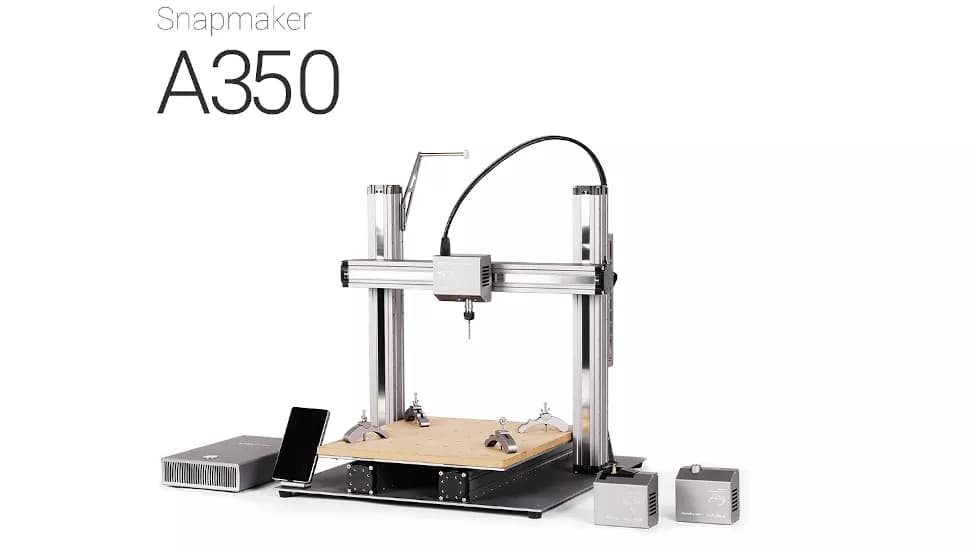
Since 3D printers, CNC cutters, and laser cutters all use the same basic mechanics and technologies, a true 3-in-1 system makes sense. The original Snapmaker has a devoted fanbase, so it’s no wonder that the Snapmaker 2.0 draws on the prestige and functionality of its predecessor. The A350 is the biggest of the three models, and it excels in both areas. While reconfiguring and calibrating the three heads and beds for the prince and features takes time, it is well worth it.
SPECIFICATIONS
Print technology: Fused Filament Fabrication, CNC, Laser
Build area: 350 x 350 x 350mm
Minimum layer resolution: 50 microns
Maximum layer resolution: 300 microns
Dimensions: 645 x 480 x 580mm
Advantages
- 3D printer, CNC, and Laser cutter in one
- Solid design
Disadvantages
- Time consuming to switch
10. Original PRUSA i3 MK3s
The best all-round 3D printer

The MK3s is PRUSA Research’s flagship computer, and it is a leading power in the 3D printing world. There’s plenty for everybody here, whether you want a pack, an expert build, or a set of plans to build your own. The expert build improves on previous models and is generally regarded as the finest FDM 3D printer on the market.
Print speeds are fast, and this machine is nearly silent thanks to the new Trinamic2130 drivers and a Noctua fan. Filament sensors, a Bondtech extruder, a P.I.N.D.A. 2 probe, and the market-leading E3D V6 nozzle guarantee that the print output is unbeatable. The MK3s is the best all-around printer possible because of its features and print quality.
SPECIFICATIONS
Print technology: Fused Deposition Modeling
Filament Diameter: 1.75mm
Build area: 250 x 210 x 210mm
Minimum layer resolution: 50 microns
Maximum layer resolution: 350 microns
Dimensions: 550 × 400× 500 mm
Weight: 7kg without spool
Advantages
- Fast print speed
- Market-leading print quality
Disadvantages
- Open frame design
One Response